Terrain
How it works
Ground height
Every outdoor tile has a fixed ground height. The game uses it to draw water, soil and slopes, and to decide what grows and what can walk there. Ground heights fall into the bands below, from deep water up to the high plateau. In the water, the game describes how deep you are standing, from "Your feet are slightly submerged" to "You are swimming!".
| Band | Ground height | What it looks like | Page |
|---|---|---|---|
| Deep water | −0.4 and below | Teal water; waist-deep at first, then deeper until you swim |  Deep water |
| Medium water | −0.4 to −0.3 | Greener, denser water; your legs are under | 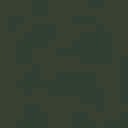 Medium water |
| Open shallows | −0.3 to −0.25 | Shallow water over the darkest soil, with no grass | 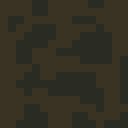 Shallow water |
| Shore shallows | −0.25 to −0.2 | Shallow water where grass still grows through | Shallow water
|
| Waterline | −0.2 to −0.1 | Dark soil just above the water | 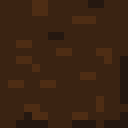 Soil |
| Low ground | −0.1 to 0.2 | Ordinary brown soil and grass | Soil
|
| First plateau | 0.2 to 0.425 | Raised ground ringed by slopes |  Slopes |
| High plateau | 0.425 and above | A second raised level on top of the first, with lighter soil | Slopes
|
Moving across tiles
Every step costs action points depending on the tile you step onto. A diagonal step costs 0.4 AP more, heavy encumbrance raises the cost, and no single step costs more than 8 AP. Obstacles, water and the ground underneath combine: wading over sand or mud costs more than wading over soil.
No flooding
Water levels never change. Heights are set when an area is generated and are not touched by rain, time or weather afterwards, so a dry tile stays dry and a pool never spreads or drains. Rain only adds splash ripples to water and wets your clothes. The dark stains some tiles show are blood or acid, not wet ground.
Kinds of ground
Each kind of ground has its own page covering where it appears, which creatures spawn and walk there, which seeds take, and whether you can build on it. The table summarizes them. The creature table column says which spawn table picks creatures that appear on that ground; see Areas.
| Ground | AP per straight step | Can build | Seeds that take | Creature table |
|---|---|---|---|---|
| Soil |
0.8 | Yes | Every land seed, by height | Area land table |
 Grassy ground |
0.8; thick grass 1.0 | Yes | As soil; crops shrink on Rift Grass | Area land table |
 Sand |
1.2 | Yes | Elderberry Seeds | Sand table |
 Mud |
1.2 | Yes | Every land seed, by height; not Cranberry Seeds | Area land table |
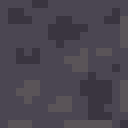 Stone ground |
0.8 | Yes | None on dry stone | Area land table |
 Goo |
1.2 (1.0 indoors) | No | None | Rift-Thorn Mire table |
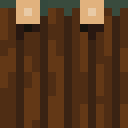 Dock planks |
0.8 | No | None | Water table |
| Slopes |
5 | No | None | Area land table |
| Shallow water |
1.2 to 1.4 | No | Cranberry, Willow, Cypress, Watercress | Water table |
| Medium water |
1.6 to 2.0 | Raft Base only | Cypress, Watercress | Water table |
| Deep water |
3.4 to 5 | Raft Base only | Watercress | Water table |
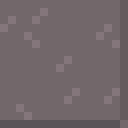 Interior floors |
0.8 | Yes, outside private homes | None | Rift interiors only |
Obstacles
A Boulder or a water rock costs 2.5 AP to clamber over. A Mossy Log, ruin rubble or debris costs 1.8 AP. Tall Grass and Fern patches add up to about half as much again as they grow, and bramble thickets and Rift Vine growth cost far more. Water rocks only appear in medium or deep water and give dry footing there. None of these tiles can be built on or planted.

Ash
A lit Campfire slowly scorches the ground beneath it into black ash. Ash walks like bare soil at 0.8 AP a step.

Skills
Strider removes 8% of the extra cost of obstacles and thick growth per rank, Amphibian removes 8% of the extra cost of water per rank, and Firm Grip makes slopes cheaper with each rank. Balance and Jumper help with jumping across gaps rather than walking.
Who can go where
Every land creature can wade into the shallows, but only some go deeper, as the table shows. The Mudfin and the Razorfin cannot enter the shore shallows. Any creature can stand on a water rock, a log or the dock. Spawning ignores these limits, so a Mudfin can appear stuck in the shore shallows until it is attacked.
| Where they can go | Creatures |
|---|---|
| Anywhere, including deep water |  Dreadfly,  Deathfly,  Giant Gnat, 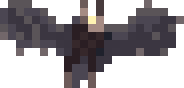 Mirkfang, 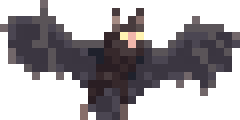 Giant Mirkfang, 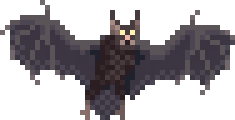 Mirkfang Matriarch, 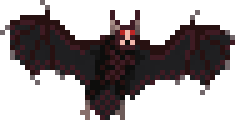 The Terror, 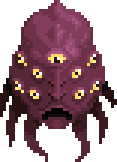 Scaal |
| Land and water down to medium water | 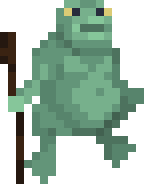 Toadkin, 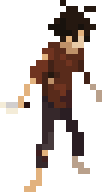 Raving Unwanted, 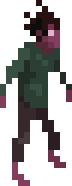 Mutated Unwanted, 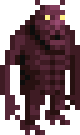 Scaalmyr Grunt, 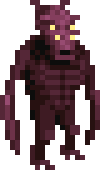 Scaalmyr Warrior, 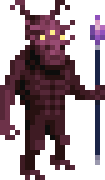 Scaalmyr Geomancer, 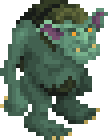 Swamp Troll, 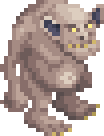 Cave Troll, 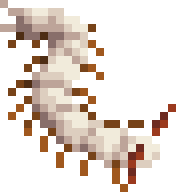 Nightmare |
| Land and shallow water |  Giant Slug,  Boulder Crab,  Titanspine Crab,  Viper,  Red Fang, 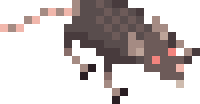 Mirk Runner, 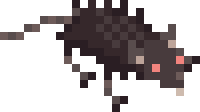 Mirk Mauler, 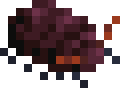 Firelouse,  Sceetler |
| Open shallows, medium and deep water |  Mudfin,  Razorfin |
| Medium and deep water |  Mire Serpent |
Individual pages
- Deep water
- Dock planks
- Goo
- Grassy ground
- Interior floors
- Medium water
- Mud
- Sand
- Shallow water
- Slopes
- Soil
- Stone ground
Related guides: Planting | Areas | Action points | Placing objects
Related entries: Strider | Amphibian | Jumper | Firm Grip | Balance | Tall Grass | Boulder | Mossy Log | Brambles | Fern | Rift Vine |  Campfire